.png)


.png)
.png)

How Each Generation Will Be Changed by the Great Wealth Transfer
We are standing at the edge of one of the most significant financial shifts in history. Analysts project that approximately 124 trillion dollars in assets will pass from older generations to heirs and charitable causes by 2048. The majority of these assets are held by Baby Boomers and the remaining members of the Silent Generation. These are individuals who accumulated wealth through home ownership, decades of investing, business building, or simply diligent financial habits.
This massive transfer of financial resources will reshape the financial identity of entire generations. It will influence markets, philanthropy, investment strategies, spending patterns, and cultural attitudes toward money. Yet receiving wealth is not the same as being prepared to manage it. That is why financial literacy and education matter more now than ever.
Below is a look at what the numbers suggest, how each generation will be affected, and why knowledge is the most important inheritance of all.
How Much Will Each Generation Receive
The projected inheritance breakdown shows that most of the assets being transferred will land primarily with Generation X and Millennials, followed by Generation Z. Baby Boomers appear lower on inheritance charts not because they are losing wealth, but because they are the ones distributing it.
Here are the current estimates for inheritance by heirs through 2048:
- Baby Boomers: approximately 6 trillion dollars
- Generation X: approximately 39 trillion dollars
- Millennials: approximately 46 trillion dollars
- Generation Z: approximately 15 trillion dollars
Older generations are also expected to direct trillions toward charitable causes, while the bulk will be passed on to heirs through wills, family gifting, investments, property, or trusts. Many who are transferring assets are also exploring what experts call giving while living. In other words, they are passing wealth forward now rather than waiting until their estate is settled.
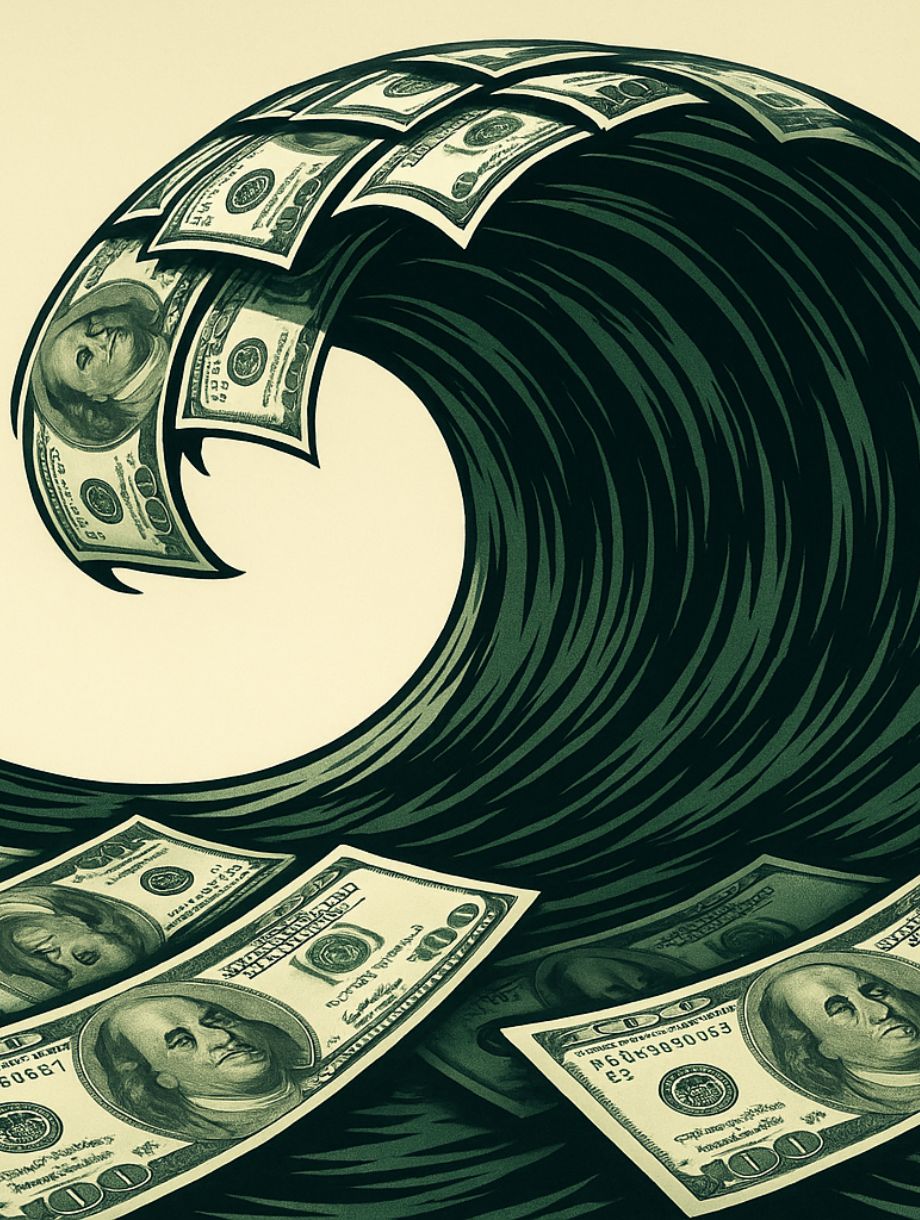
Regardless of timing, the numbers tell one story very clearly: a tidal wave of wealth is about to arrive in the hands of younger generations. The decisions they make with it will shape not only their own lives, but their families and communities for decades.
Baby Boomers and the Silent Generation
The Givers, the Legacy Builders, and the Architects of Generational Impact
The oldest generations hold the greatest concentration of wealth in history. For them, this moment is not just about finances. It is about legacy.
They spent decades building their portfolios and managing their resources. Many bought homes while prices were still accessible. They lived through interest rate cycles, recessions, bull runs, and major shifts in the market. Some built businesses. Others invested consistently for decades. And through this steady effort, they accumulated assets that will soon move to heirs.
Now they face the question of what will remain and how much of it will serve future generations well. This includes not only completing the paperwork, such as wills and trusts, but passing down values that have guided their financial lives. Open conversations about intentions, inheritances, taxes, investments, and charitable causes are essential parts of protecting family harmony and pointing heirs toward wise stewardship.
Managed well, this is not simply a transfer of wealth. It is a transfer of wisdom.
Generation X
The First Wave of Heirs and the Most Immediate Beneficiaries
Generation X will be the first to receive large-scale inheritances in the near term. Analysts note that they are positioned to inherit more than any other generation over the next two decades. Gen Xers are typically mid career, raising children, planning retirement, and balancing aging parents. They often carry both responsibility upward and downward within the family structure.
This makes the wealth transfer a moment of both opportunity and obligation.
With significant resources arriving, Gen X could:
- Play catch up on retirement savings
- Help children with higher education
- Pay off long term debt
- Invest in businesses
- Acquire real estate
- Support causes that matter to them
However, the influx of wealth can also bring pressure. Should they invest aggressively, reduce risk, or focus first on financial security. Should they hold assets or restructure them. Should they continue the strategies of their parents or pivot toward different financial tools.
The correct approach will vary by household. What matters most is that Gen X engages these decisions equipped with financial literacy. Without a basic foundation in investing principles, tax strategy, diversification, or long term financial planning, the gift they inherit could be mishandled or even lost.
This generation has the opportunity to use inherited wealth to build stability and confidence for themselves and for those who follow. But this can only happen with education, planning, and wise counsel.
Millennials
The Generation Most Likely to Redefine Wealth
Millennials are projected to receive the largest inheritance pool overall, with estimates reaching into the mid 40 trillion dollar range. This comes after a generation that has often faced steeper financial headwinds than their parents. Rising housing costs, educational expenses, wage compression, and high inflation have affected their progress and delayed milestones such as home ownership or retirement planning.
For that reason, the transfer of wealth could represent a historic turning point.
Analysts show that younger investors are more likely than Boomers to explore non traditional investment categories. These include private market investments, impact driven portfolios, and digital assets. They are also more likely to want their financial decisions to reflect personal values such as sustainability, social responsibility, or long term community impact.
For Millennials, inherited wealth may be used to:
- Pay down student or consumer debt
- Purchase homes that have been out of reach
- Launch or scale entrepreneurial ideas
- Invest for long term growth
- Support nonprofit efforts
- Build portfolios that align with personal convictions
It is an opportunity to rewrite future paths. But it also brings a temptation to overspend, upgrade lifestyle too quickly, or underestimate the long term responsibilities that come with managing significant wealth.
Financial literacy empowers Millennials to build solid foundations, invest intentionally, and convert inheritance into security rather than stress.
Generation Z
The Youngest Beneficiaries and the Long Term Stewards
Generation Z may be youngest in the lineup, but they are not absent from the conversation. Projections suggest they will inherit trillions over time. For many of them, wealth will arrive when they are still early in life, perhaps before full careers are established or before they have built financial habits strong enough to handle a windfall.
Inheritance without education is rarely a blessing. At its worst, it can be destabilizing.
That is why financial literacy for this generation is not optional. It is the foundation that enables them to become responsible stewards of resources that arrive earlier than expected. Learning concepts like compound growth, diversification, inflation, tax treatment, long term strategy, retirement planning, and financial risk becomes essential.
If Gen Z prepares wisely, the resources they steward could compound for decades, multiply opportunity, and expand legacy far into the future.
Why Financial Literacy Matters for Every Generation
Many families believe that inherited wealth automatically creates stability. History shows the opposite. Without education and grounded decision making, inherited wealth evaporates quickly. Family conflict often follows when expectations and intentions are not discussed openly.
Financial literacy protects inheritance in several ways:
It prevents waste. Windfalls are often mishandled without planning. Education provides discipline, clarity, and long term vision.
It reduces conflict. When families have transparent conversations, there is less confusion, less resentment, and more unity.
It multiplies resources. Knowledge allows each generation to grow what they have rather than simply receive it.
It strengthens the economy. Where financial knowledge rises, smart investing tends to follow. New businesses are started, charitable giving increases, and capital flows into ideas that solve problems.
It ensures values stay intact. Money is a tool. The way it is used reflects beliefs and priorities. Financial education helps future generations shape a story that is bigger than a bank account.
What Each Generation Should Begin Doing Now
Older Generations
- Clarify inheritance goals
- Build estate plans
- Communicate openly with heirs
- Consider early gifting where beneficial
- Pass down education and values, not only resources
Generation X
- Revisit financial plans
- Prepare for responsibility, not entitlement
- Learn tax strategy for inherited assets
- Diversify and guard against emotional investing
Millennials
- Use wealth as a launchpad for long term growth
- Shore up financial foundations before upgrading lifestyle
- Align investing with values without abandoning discipline
- Seek trustworthy guidance
Generation Z
- Begin learning now
- Build habits before wealth arrives
- View inheritance as stewardship
- Think long term rather than short term
A Final Thought
This wealth transfer is not just about economics. It is about identity, values, character, and legacy. Generations will shape the future with the decisions they make once the assets arrive.
Some will multiply what they receive. Some will consume it. Some will invest it in innovation, education, and impact. Others may struggle or squander opportunity.
The difference is not income level, inheritance size, or market timing. The difference is literacy. The difference is education. The difference is understanding how money works.
In a moment that has the potential to reshape thousands of futures, generations can respond with wisdom, clarity, and vision. They can use wealth as a tool, not a crutch. They can build stronger families, stronger communities, and stronger foundations for those who will come after.
The transfer is coming. And it will be transformative. Now is the time to prepare minds as well as portfolios.
Financial literacy is the key that unlocks the true value of this historic moment.