 Request a copy of our book(s)
Financial Literacy at a Young Age

Understanding money is crucial for a successful life.
Yet, many schools don't teach financial literacy, which is vital for managing personal finances and building wealth. Learning about money from a young age can have a significant impact on a person's future. Here are some takeaways from a recent CNBC article on how children from wealthy families learn about money.
Learning from the Best
At Institut auf dem Rosenberg, a top boarding school in Switzerland, students aged 12-18 learn about wealth creation, philanthropy, family businesses, and succession management. They manage hypothetical $1 million portfolios and discuss investments with a mock family office board. This practical approach helps students understand various investments, risks, and the power of compounding interest.
Bridging the Gap in Financial Education
In the U.S., more states are now requiring high school students to take personal finance courses. Research shows that taking a financial education class can benefit students by about $100,000 over their lifetime. This comes from avoiding high-interest debt and getting better borrowing rates for big expenses like loans and mortgages.
Engaging Young Minds
Students are often most interested in investing and building wealth. By focusing on these topics, teachers can keep students engaged and excited about learning. Financial education should cover not just investing but also budgeting, banking, paying for college, taxes, credit management, and the psychology of money. As Yanely Espinal, Next Gen’s director of educational outreach, points out, "Hook them where they are most interested." By focusing on the aspects of finance that resonate most with students, educators can create a more engaging and effective learning experience.
Long-Term Benefits
Studies show that students who learn about finance are better at managing money as adults. They are more likely to get lower-cost loans for college, avoid high-interest debt, and have better credit scores. Financially literate adults can manage monthly expenses better, make timely loan payments, save more, and plan for retirement. For instance, a study by the Brookings Institution in 2018 found that teenage financial literacy is positively correlated with asset accumulation and net worth by age 25.
Moreover, adults with greater financial literacy are more likely to manage monthly expenses effectively, make timely loan payments, avoid excessive debt, and save and plan for retirement. This underscores the lifelong benefits of starting financial education early.
Conclusion
Teaching financial literacy from a young age is essential. It provides kids with the tools they need to manage money wisely and build wealth. By making financial education a priority, we can help future generations achieve financial stability and success. Let's give our children the knowledge they need to succeed in life by including financial literacy in their education. As Bernhard Gademann of Institut auf dem Rosenberg aptly puts it, "Not being able to provide students with this information and training is really stealing an opportunity for them being successful." Let’s ensure our children are equipped with the financial knowledge to thrive.
Turning Impossible to Possible

A Path to Retirement
Retirement might seem like a far-off dream, especially if you feel behind in saving. But don't worry—retirement is not only possible, but it can also be enjoyable. By changing how you think about retirement and taking small, consistent steps, you can make what seems impossible a reality.
Lack of Savings Doesn’t Have to Stop Your Retirement
Retirement planning is more than just numbers. It's also about being creative and flexible. For example, many people who started saving late due to various life circumstances still manage to retire comfortably. They often find part-time jobs that offer travel perks or other benefits, turning a challenge into an opportunity.
Think About Retirement with Hope and Creativity
The first step to making retirement possible is to stop worrying and start thinking creatively. Imagine your ideal retirement—what would you do? Where would you go? Consider part-time work that fits your interests and offers benefits like health insurance.
Many individuals, who may dislike their current stressful jobs, decide to work part-time in roles that align with their passions, such as seasonal work or gig jobs. This balance helps them maintain their health and happiness.
Surround Yourself with Positive People
Planning for retirement can be overwhelming, but having a supportive network helps. Find people who see possibilities and encourage you. A good financial professional can offer fresh perspectives and creative solutions.
People with significant financial challenges often set specific goals and find part-time jobs with perks. Their supportive network and positive mindset help them overcome financial obstacles and prepare for retirement.
Take One Step at a Time
There's no perfect way to plan for retirement. Instead of making drastic changes or risky investments, focus on developing a consistent saving habit. Start with small, manageable steps to build momentum over time.
Many find that their financial situation improves by focusing on small steps rather than trying to fix everything at once. This approach, like the saying “A journey of a thousand miles begins with a single step,” emphasizes the importance of steady progress.
Conclusion: Retirement is Possible
If you feel behind in your savings, remember that retirement is not an impossible dream. Think about retirement with hope and creativity, develop a consistent saving habit, and surround yourself with supportive people. Modern retirement planning requires creativity, the right mindset, and small, consistent actions.
Look ahead, get creative, and plan for a retirement that includes part-time work you enjoy. With these steps, and the guidance of a financial professional, you can turn the seemingly impossible into a rewarding and achievable retirement.
The Hidden Pitfall of "Spaving"

How "Saving" While Spending Can Lead to Overspending
In today's fast-paced, consumer-driven world, we’re constantly bombarded with deals, discounts, and promotions. From flash sales to loyalty rewards, the allure of saving money while shopping is ever-present. This phenomenon, often referred to as "spaving" (a blend of 'spending' and 'saving'), can seem like a smart financial strategy. However, beneath the surface lies a paradox that can lead to overspending and financial strain. In this article, we’ll explore what spaving is, why it’s so enticing, and how it can ultimately lead to overspending.
What is Spaving?
Spaving is the act of spending money with the intent of saving money, usually by taking advantage of sales, discounts, or promotions. It’s the mindset that buying something on sale is a good deal, regardless of whether you need it or not. Retailers and marketers have mastered the art of spaving, encouraging consumers to believe that they’re making smart financial decisions by spending money to save money.
The Psychology Behind Spaving
Spaving taps into several psychological principles that make it incredibly appealing:
- Scarcity and Urgency: Limited-time offers create a sense of urgency, making us feel like we might miss out on a great deal.
- Fear of Missing Out (FOMO): We don’t want to miss an opportunity to save, even if it means spending money we hadn’t planned to spend.
- Perceived Value: When we see a significant discount, we perceive the item as more valuable, convincing ourselves that we’re getting a great deal.
- Reward and Gratification: Finding a good deal gives us a sense of accomplishment and instant gratification, reinforcing the behavior.
How Spaving Leads to Overspending
While the concept of saving money while shopping seems beneficial, it can easily lead to overspending. Here’s how:
- Buying Unnecessary Items: The most obvious pitfall of spaving is purchasing items you don’t need simply because they’re on sale. This leads to clutter and wasteful spending.
- Spending More Than Intended: Discounts can encourage you to spend more than you originally planned. For instance, buying a $200 jacket for $150 feels like saving $50, but if you didn’t need the jacket in the first place, you’ve just spent $150 unnecessarily.
- Accumulating Small Expenses: Small, frequent purchases can add up quickly. A few dollars saved here and there can lead to significant expenditures over time, often on items that aren’t essential.
- Psychological Traps: The feeling of getting a good deal can become addictive, leading to habitual spaving. This can create a cycle of spending where the focus is on the perceived savings rather than the actual need or value of the purchase.
Strategies to Avoid Overspending Through Spaving
To harness the benefits of discounts without falling into the trap of overspending, consider these strategies:
- Set a Budget: Determine how much you can afford to spend on non-essential items each month and stick to it.
- Make a List: Before shopping, create a list of items you need and resist the temptation to buy things that aren’t on the list, even if they’re on sale.
- Evaluate Needs vs. Wants: Ask yourself if you truly need the item or if it’s simply an impulse buy driven by the discount.
- Delay Gratification: Give yourself a cooling-off period before making a purchase. This can help you determine if the item is truly necessary.
- Track Your Spending: Keep a record of your purchases to see how much you’re spending on “deals” and assess if they’re impacting your overall financial health.
Takeaway
Spaving, while seemingly a smart way to save money, can easily lead to overspending if not approached with caution. By understanding the psychology behind spaving and implementing mindful shopping strategies, you can avoid the pitfalls of overspending and make more informed financial decisions. Remember, the best way to save money is not by spending it, but by making thoughtful, intentional choices that align with your financial goals.
The Hidden Cost of Summer Fun

"Funflation" Can Derail Your Long-Term Financial Goals
As the warm rays of summer sun beckon us outdoors, it's easy to get caught up in the allure of vacations, outings, and leisure activities. This is especially true for those still longing to catch up from missed opportunities due to the pandemic. While summer is a time for relaxation and enjoyment, it's also a season that can significantly impact your finances if you're not careful. The term “funflation”, coined by economist aptly describes the inflation of expenses that often accompanies our pursuit of summer fun. Here's how funflation can harm your long-term financial goals and some tips on how to avoid falling into this trap.
The Allure of Summer Fun
Summer offers numerous opportunities for enjoyment, from beach vacations and road trips to outdoor festivals and barbecues, sporting events and movies to theaters and concerts. These activities, while enjoyable, often come with a hefty price tag. It's easy to justify spending more during the summer months because we associate this time with relaxation and reward. However, these expenditures can quickly add up, leading to a financial strain that extends far beyond the summer season.
The Impact on Long-Term Financial Goals
- Depleting Emergency Savings: Many people dip into their emergency savings to fund their summer activities. This practice can leave you vulnerable in the event of unexpected expenses or emergencies. Without adequate savings, you may find yourself relying on credit cards or loans, which can lead to debt accumulation.
- Neglecting Retirement Contributions: Summer spending can lead to reduced contributions to retirement accounts. Skipping or lowering your contributions, even for a short period, can have a significant impact on the growth of your retirement fund due to the power of compound interest.
- Increased Credit Card Debt: It's common to put summer expenses on credit cards with the intention of paying them off later. However, this can lead to accumulating interest charges and increasing debt levels. High credit card balances can also negatively affect your credit score, impacting your ability to secure loans or favorable interest rates in the future.
- Delayed Financial Milestones: Whether it's saving for a home, paying off student loans, or building an investment portfolio, funflation can delay these important financial milestones. The money spent on summer activities could have been used to achieve these long-term goals more quickly.
Tips to Avoid Funflation
- Create a Summer Budget: Plan your summer activities within a predetermined budget. Allocate funds for entertainment, travel, and other expenses while ensuring you don't exceed your limits. Stick to your budget to avoid overspending.
- Prioritize Free or Low-Cost Activities: Look for activities that don't break the bank. Enjoy local parks, community events, and free attractions. Often, these experiences can be just as enjoyable and memorable as more expensive alternatives.
- Set Financial Goals: Keep your long-term financial goals in mind. Set specific targets for your savings, retirement contributions, and debt repayment. Having clear goals will help you resist the temptation to overspend.
- Use Cash or Debit: To avoid accumulating debt, consider using cash or a debit card for your summer expenses. This approach ensures that you're only spending money you already have, reducing the risk of going into debt.
- Plan in Advance: Plan your summer activities well in advance to take advantage of early bird discounts and deals. Booking flights, accommodations, and event tickets ahead of time can save you a significant amount of money.
- Automate Savings and Investments: Set up automatic transfers to your savings and investment accounts. By automating these contributions, you'll ensure that you're consistently working towards your long-term financial goals, even during the summer.
Go Enjoy Summer
Summer is a time for making memories and enjoying life, but it's important to strike a balance between fun and financial responsibility. If you feel like you need help, connect with a financial professional who can give you some guidance. By being mindful of funflation and taking proactive steps to manage your expenses, you can enjoy the season without jeopardizing your long-term financial goals. Remember, the key to financial success is making informed decisions and maintaining a disciplined approach to spending, no matter the season.
The New Retirement Reality

How Smarter Early Financial Decisions Can Save Your Future Self
Retirement used to be a simple affair: work hard for a few decades, then kick back and relax. But in today's world, that classic picture of retirement is getting a modern makeover. According to a study by Allianz Life Insurance Company of North America, nearly half of Americans now see retirement as a gradual process rather than a single event. Let's dive into what this means and how making better financial choices early on can keep your future self smiling.
Retirement: A Slow Fade-Out
Gone are the days when retirement was marked by a big party and a gold watch. Nowadays, 47% of Americans think of it more like a dimmer switch than an on-off button. Instead of stopping work cold turkey, people are slowly winding down their careers. This new approach requires a different kind of financial planning.
"In the past, retirement started abruptly on your last day of work, but that idea is changing," says Kelly LaVigne, VP of Consumer Insights at Allianz Life. Many are now planning to reduce their working hours gradually, which means they need to rethink when and how they start using their retirement savings.
The "Work a Little Longer" Strategy
Here's a reality check: 68% of people think they'll need to work longer to save enough for retirement, and 61% expect to work at least part-time during their golden years. That's right, more of us are seeing ourselves as future part-time baristas or consultants, not just full-time beach bums.
Working a bit longer has its perks. It gives you more time to save, lets your retirement funds grow, and delays those Social Security checks, which can be a financial boon. Plus, sticking with your employer's health plan for a while longer can save you from the high costs of private insurance.
Planning Early: Your Future Self Will Thank You
So, what if that’s not the future you want? What if instead of retirement later, you wanted to retire earlier? Is that even possible anymore? How do we set ourselves up for an early or more carefree retirement? It all starts with smart financial moves early in life. Here are some tips to get you started:
- Start Saving Sooner: Even small contributions to a retirement account can snowball over time thanks to compound interest. The earlier you start, the better.
- Diversify Your Investments: Don't put all your eggs in one basket. A mix of investment vehicles can protect your nest egg from market ups and downs.
- Get Professional Help: A financial professional can help you craft a plan tailored to your goals and needs, and keep you on track.
- Plan for Health Costs: Healthcare can be a big expense in retirement. Look into long-term care insurance and other ways to manage these costs.
- Starting a Business: Starting a business can potentially boosts your income and also grows your capital value over time.
- Stay Flexible: Life happens, and plans change. Regularly review and adjust your retirement strategy to keep it aligned with your current situation and future goals.
The Silver Lining
Most people find that staying active and engaged later in life keeps them healthier and happier, be it while continuing to work in your later years, or enjoying new hobbies and activities during early retirement. With a solid financial plan, you'll have the peace of mind that comes from knowing you're ready for whatever retirement brings.
In the end, the key to a happy retirement is starting early and planning smart. Your future self will thank you for it, and you might just find that the journey to retirement is as rewarding as the destination. So, here’s to making savvy financial decisions today for a brighter, more relaxed tomorrow!
Real Wealth

Living A Life of True Abundance
In a world where financial success is often equated with true wealth, it's essential to step back and redefine what being truly wealthy means. Real wealth transcends the balance in your bank account; it encompasses the richness of your life experiences, your mindset, your relationships, and your well-being.
Before you ask, we are not suggesting that money is unimportant. In fact, it’s essential for covering your basic needs such as food, shelter, and healthcare. Additionally, money allows you to enjoy those little luxuries and comforts that enhance your quality of life. Whether it's indulging in a hobby, traveling to new places, or simply enjoying a nice meal out, financial resources play a critical role in providing these opportunities. Therefore, learning how money works is vital for you and your family.
However, it's important to recognize that money can only do so much. Once you have enough to meet your fundamental needs and enjoy a comfortable lifestyle, you must turn your attention to aspects of life that money cannot buy.
The joy found in simple moments, the peace that comes from a balanced life, the strength of a supportive community, and the fulfillment derived from personal growth and self-acceptance. These elements contribute significantly to your happiness and fulfillment, far beyond what any amount of money can achieve. True wealth is about living a life aligned with your values and finding contentment in the journey, not just the destination.
Doing Work That Adds Value to the World
"Work is love made visible." – Kahlil Gibran
True wealth starts with doing work that adds value to the world. When you find purpose and passion in what you do, the sense of fulfillment far outweighs the monetary gains. This type of work fuels your soul and ignites your spirit, driving you to wake up each day with enthusiasm and a sense of mission. It's about making a positive impact and leaving a legacy that outlives you.
Beyond the immediate satisfaction, engaging in meaningful work can lead to lasting relationships and a deeper understanding of your own values and beliefs. It allows you to connect with like-minded individuals who share your vision and goals, fostering a community of support and collaboration. The joy of seeing the tangible results of your efforts, knowing that you have contributed to something greater than yourself, is an incredibly rewarding experience. This holistic approach to work and life ensures a well-rounded sense of achievement that endures well beyond any financial success.
A Positive Mindset & Kind Self-Talk
“Whether you think you can or you think you can’t, you’re right.” – Henry Ford
A positive mindset is a cornerstone of real wealth. Cultivating kind self-talk and believing in your abilities can transform your life. When you embrace optimism and self-compassion, you open doors to new possibilities and resilience. This inner wealth is invaluable, creating a foundation for everything else in your life.
By adopting a positive outlook, you equip yourself to handle life's challenges with grace and determination. Positive thinking isn't just about ignoring difficulties; it's about facing them with a mindset that seeks solutions and growth. Over time, this approach can lead to greater personal and professional achievements, stronger relationships, and a deeper sense of fulfillment. In essence, nurturing a positive mindset enriches every aspect of your life, making it the bedrock of true, lasting wealth.
The Ability to Move Your Body
"Take care of your body. It's the only place you have to live." – Jim Rohn
Health is wealth, and the ability to move your body freely is a gift that should never be taken for granted. Physical activity not only boosts your physical health by improving cardiovascular fitness, strengthening muscles, and increasing flexibility, but it also enhances your mental and emotional well-being. Regular exercise can reduce stress, improve mood, and increase overall happiness. It's about celebrating what your body can do—running, jumping, dancing, or simply walking—not just how it looks. Embrace the joy of movement and the positive impact it has on your life.
Spending Time with Those You Care About
“The most important thing in the world is family and love.” – John Wooden
Spending time with loved ones is a crucial component of real wealth. The moments shared with family and friends create memories that enrich your life in profound ways. These moments, whether it's a family dinner, a weekend getaway, or simply a heartfelt conversation, weave a tapestry of experiences that you carry with you always. These relationships provide unwavering support, immense joy, and an irreplaceable sense of belonging, which are truly priceless compared to any material possession. It's these connections that remind us of what truly matters and anchor us through life's ups and downs.
Not Feeling Like You Need to Say Yes
“The art of leadership is saying no, not yes. It is very easy to say yes.” – Tony Blair
Part of real wealth is having the freedom to say no without guilt. It's about setting boundaries and prioritizing your well-being over pleasing others, which is crucial in maintaining a healthy balance in life. This empowers you to focus on what truly matters and aligns with your values, ensuring that your time and energy are spent on pursuits that bring you joy and fulfillment. By doing so, you create a life that is not only prosperous but also deeply satisfying and meaningful.
Set Your Own Priorities
“Decide what you want, decide what you are willing to exchange for it. Establish your priorities and go to work.” – H.L. Hunt
Real wealth involves setting your own priorities and living according to them. It's about aligning your daily actions with your long-term goals and values, ensuring that every step you take is purposeful and meaningful. This self-directed approach to life ensures that you are steering your own ship, rather than being at the mercy of others' expectations. By doing so, you cultivate a sense of fulfillment and personal satisfaction, knowing that your efforts are directed towards what truly matters to you. This way, you not only achieve financial stability but also attain a richer, more balanced life.
Not Spending Time with Those Who Drain You
“You are the average of the five people you spend the most time with.” – Jim Rohn
Protecting your energy by avoiding those who drain you is a form of real wealth. It's important to recognize the impact that negative individuals can have on your well-being and take steps to distance yourself from them. Instead, surround yourself with positive, uplifting individuals who inspire and support you. This conscious choice not only boosts your mood but also fosters a nurturing environment where you can grow. By doing so, you help maintain your mental and emotional health, enabling you to thrive in all areas of your life and achieve your goals with a clearer mind and a happier heart.
Being Content with What You Already Have
“He is richest who is content with the least, for content is the wealth of nature.” – Socrates
Contentment is a profound aspect of real wealth. Appreciating what you already have fosters gratitude and happiness. It's about finding joy in the present moment and recognizing the abundance in your life. True contentment stems from an inner sense of fulfillment, rather than external possessions or achievements. By focusing on the positive aspects of our lives and expressing gratitude for even the smallest blessings, we cultivate a sense of peace and well-being that money cannot buy. This mindset shift allows us to savor life's simple pleasures and live more richly, regardless of our material circumstances.
Living a Life That Feels Good to YOU
“Your time is limited, so don’t waste it living someone else’s life.” – Steve Jobs
Ultimately, real wealth is living a life that feels good to you. It's about authenticity and pursuing what brings you happiness and fulfillment. When you live true to yourself, you create a life of meaning and joy. This means embracing your passions, following your dreams, and not being swayed by societal expectations or materialistic pursuits that don't resonate with your core values.
In redefining real wealth, we uncover a life of purpose, health, love, and contentment. It's about enriching our inner lives and cultivating relationships and experiences that bring true joy. This might include spending quality time with loved ones, engaging in activities that bring peace and satisfaction, and maintaining a healthy balance between work and personal life.
Remember, wealth isn't just what you have in terms of possessions or financial assets, but how you live each day, the experiences you cherish, and the legacy you leave behind. Embrace this holistic view of wealth, and you'll find that your life is already abundant beyond measure. True wealth is measured in moments of joy, deep connections, and a sense of inner peace.
"True wealth is not of the pocket, but of the heart." Live fully, love deeply, and let your wealth shine from within. Cherish the moments that bring you joy, nurture relationships that matter, and find contentment in the simple pleasures of life. Remember, the most valuable treasures are those that enrich our souls.
Basics of Annuities

Understanding Your Options During Annuity Awareness Month
June marks Annuity Awareness Month, a time dedicated to educating individuals about the benefits and features of annuities. As financial tools designed to provide a steady income stream, annuities can play a crucial role in providing a more relaxing and enjoyable retirement. Let’s explore the basics of annuities, including what they are, how they work, and the different types available.
What is an Annuity?
An annuity is a financial product offered by insurance companies that provides a series of payments made at regular intervals, typically used as a tool for retirement planning. Individuals can invest a lump sum or a series of payments into an annuity, which then grows tax-deferred until withdrawals begin. The primary purpose of an annuity is to offer a reliable income stream, often for the lifetime of the annuitant.
How Do Annuities Work?
Annuities operate through two main phases: the accumulation phase and the distribution phase.
- Accumulation Phase: During this phase, the annuity owner makes payments (either as a lump sum or periodic contributions) into the annuity. These contributions grow on a tax-deferred basis, meaning the earnings are not taxed until they are withdrawn.
- Distribution Phase: Once the annuitant decides to start receiving payments, the distribution phase begins. Payments can be received as a lump sum, over a specified period, or as a lifetime income stream.
Types of Annuities
There are several types of annuities, each with unique features and benefits. Here are the most common types:
- Fixed Annuities: These provide a guaranteed interest rate and a predictable income stream. Fixed annuities are ideal for conservative investors looking for stability and guaranteed returns.
- Variable Annuities: These allow the annuitant to invest in a range of securities, such as mutual funds. The income received depends on the performance of these investments. Variable annuities offer the potential for higher returns but come with higher risk.
- Indexed Annuities: These are a hybrid of fixed and variable annuities. Returns are based on the performance of a specific market index (e.g., S&P 500). While there is potential for higher returns compared to fixed annuities, there is also a minimum guaranteed interest rate to provide some level of protection against market downturns.
Deferred vs. Immediate Annuities
Annuities can start making payments either immediately or be deferred until a future date. The primary decision for buyers is whether they prefer to receive regular income now or later.
Each payout timeline has its own set of trade-offs and benefits.
Immediate Annuities
These annuities are designed to start paying out almost immediately after a lump sum is invested. They are particularly suitable for individuals who are either at or near retirement and require an immediate income stream. Here's how they work:
- How They Work: After a lump sum payment is made to the insurance company, the annuitant begins receiving payments within a short period, usually within a year. The payments can be structured to last for a specific number of years or for the lifetime of the annuitant.
- Benefits: Immediate annuities provide a quick and reliable source of income, making them ideal for retirees who need to supplement their income immediately. They offer simplicity and a straightforward way to ensure a steady cash flow.
- Considerations: Once the lump sum is invested, it is typically locked in, meaning the principal amount is no longer accessible. Additionally, the payout amount is fixed and may not keep up with inflation.
Deferred Annuities
These annuities, on the other hand, are designed to begin payments at a future date, allowing the investment to grow over time. They are commonly used by individuals who are planning for retirement and do not need immediate income.
- How They Work: During the accumulation phase, the annuitant makes contributions to the annuity, which grow on a tax-deferred basis. When the annuitant decides to start receiving payments, the distribution phase begins. This can occur many years after the initial investment, providing the potential for significant growth.
- Benefits: Deferred annuities offer the advantage of tax-deferred growth, which can lead to a larger payout in the future. They provide flexibility in choosing when to start receiving income, allowing individuals to tailor their retirement planning to their specific needs.
- Considerations: Deferred annuities come with various fees and charges, and accessing the funds before the payout phase can result in significant penalties. Additionally, the growth of the investment is subject to market risks, particularly with variable and indexed annuities.
Benefits of Annuities
- Guaranteed Income: Annuities provide a steady and predictable income stream, which can be especially valuable in retirement.
- Tax Deferral: Earnings grow on a tax-deferred basis, meaning you do not pay taxes until you withdraw funds.
- Flexibility: Various types of annuities offer flexibility to meet different financial goals and risk tolerances.
- Longevity Risk Protection: Annuities can provide income for life, helping to mitigate the risk of outliving your savings.
Considerations Before Purchasing an Annuity
While annuities offer many benefits, it’s important to consider the following before purchasing:
- Fees and Charges: Annuities often come with various fees, including administrative fees, mortality and expense risk charges, and investment management fees.
- Surrender Charges: Withdrawing funds early may incur surrender charges, which can be substantial.
- Liquidity: Annuities are generally less liquid than other investments, meaning it can be harder to access your funds without penalties.
- Inflation Risk: Fixed annuities may not keep up with inflation, potentially reducing purchasing power over time.
Conclusion
Annuities can be a valuable component of a well-rounded retirement plan, offering the security of a guaranteed income stream and the benefits of tax-deferred growth. However, it’s essential to understand the various types, benefits, and potential drawbacks before making a decision. Working with a financial professional can help determine if an annuity is the right choice for your financial goals and retirement planning needs. As we observe Annuity Awareness Month, take the time to explore how annuities might fit into your overall financial strategy and provide peace of mind for your future.
Summer Fun vs. Long-Term Success

The Financial Reality of the YOLO Generation
It’s no secret that the younger generation loves to travel and enjoy life, but there’s a downside to this passion for adventure. Recent trends show that Millennials and Gen Z might spend too much on short-term fun and not enough on long-term financial health. Let’s dive into what’s happening and how we can fix it.
The Current Spending Scene
The Bank of America Summer Travel Survey 2024 highlights a significant trend: over 70% of young people plan to travel more and spend more money this summer. While this sounds like a blast, it raises a red flag about their financial habits.
The Instant Gratification Trap
Young people today are all about instant gratification. The survey shows they’re planning longer vacations and spending more money. This desire for immediate enjoyment can overshadow the need to save and invest for the future, leading to potential financial problems.
Lifestyle Inflation
As young adults earn more, they often increase their spending to match their higher income, a phenomenon known as lifestyle inflation. The survey indicates that despite lower travel-related inflation, young people still spend a significant portion of their income on travel. If this trend continues, it could hinder their ability to save and invest.
Missing Out on Financial Basics
Financial literacy remains a significant issue. Many young adults don’t fully grasp budgeting, saving, and investing. The focus on immediate wants, like travel, often precedes crucial financial planning, potentially leading to debt and missed wealth-building opportunities.
Turning Things Around: Financial Education and Smart Habits
To help young people get their finances on track, it’s crucial to emphasize financial education and wise spending habits. Here are some tips:
- Promote Financial Literacy: Young adults need to learn basic financial skills like budgeting, saving, and investing, which are critical to understanding how money works.
- Encourage Budgeting and Saving: Young adults should create budgets that prioritize essential expenses and savings before spending on extras.
- Highlight Investing: Educate young people about the power of investing early to build wealth over time.
- Focus on Long-Term Goals: Shift the mindset from immediate gratification to long-term financial planning.
While it’s great to see young people enjoying life and exploring the world, it's important to balance fun with smart financial planning. The current travel spending trends show a need for better financial habits. By prioritizing financial literacy and disciplined spending, Millennials and Gen Z can set themselves up for a secure and prosperous future.
Inflation Taking a Toll on Retirees
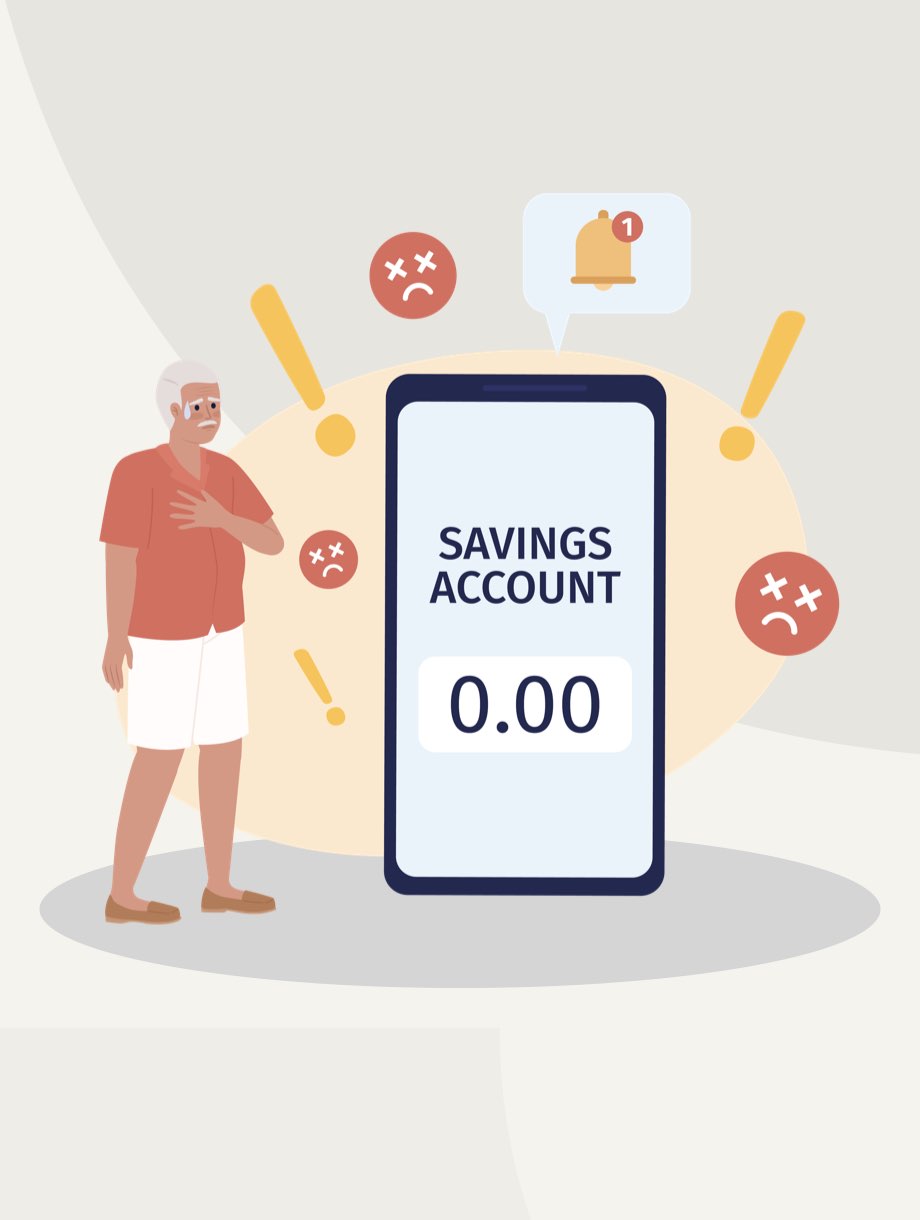
As inflation rises, its impact on retirees is becoming increasingly apparent. According to Schroders' 2024 US Retirement Survey, many retired Americans face financial challenges due to the decreasing value of their savings. Here are some key findings:
Financial Situations in Retirement
- Living the Dream: 4% of retirees reported being in an ideal financial situation.
- Comfortable: 44% described their financial situation as comfortable.
- Not Great, But Not Bad: 34% felt their financial situation was neither particularly good nor bad.
- Struggling: 15% admitted they were struggling financially.
- Living the Nightmare: 4% described their financial situation as a nightmare.
Other Key Findings
- Insufficient Savings: Less than half (44%) of retirees believe they have saved enough, while 32% are certain they haven't, and 24% are unsure.
- Top Concerns:
- Inflation: 89% are concerned about inflation reducing the value of their assets.
- Healthcare Costs: 85% worry about higher-than-expected healthcare expenses.
- Market Downturns: 76% fear a significant market downturn could deplete their assets.
- Income Generation: 69% are uncertain about how to generate income or draw down assets.
- Longevity Risk: 68% are concerned about outliving their savings.
- Financial Stress: One in three retirees worries that financial stress is affecting their health, and 26% lose sleep over their financial situation.
- Unplanned Expenses: Nearly half (47%) report higher-than-expected expenses in retirement, with healthcare costs consuming 14% of their monthly income on average.
- Uncertainty: 58% of retirees do not know how long their savings will last, and 63% wish they had done more planning before retiring.
This diversity in experiences underscores the varied impact of financial planning and the importance of tailored solutions to meet individual needs in retirement.
Solutions to Address These Challenges
Financial Planning and Education
- Don't Wait: Whatever stage you are at with your retirement, it's never too late to make necessary changes and correct your course.
- Seek Professional Advice: Consult with a financial professional to create comprehensive retirement plans considering inflation, healthcare costs, and market volatility.
- Education Programs: Participate in educational programs focused on retirement planning, financial literacy, and investment strategies to help you make informed decisions.
Diversification of Income Sources
- Multiple Income Streams: Diversify income sources, such as considering part-time work, annuities, and rental income to supplement retirement savings.
- Proper Portfolio Mix: A diversified portfolio with the appropriate amount of different asset classes can help counter the effects of inflation and the subsequent volatility it induces.
Healthcare Planning
- Health Savings Accounts (HSAs): Maximize contributions to HSAs to cover future healthcare expenses tax-free.
- Medicare Supplement Plans: Consider purchasing supplemental Medicare insurance to cover additional healthcare costs not included in standard Medicare plans.
- Long-Term Care Considerations: Proper planning can help mitigate the financial impact of long-term care, one of the most significant and unpredictable expenses retirees may face. Understand the different types of care and what types of LTC insurance are available.
Stress Management and Health
- Mental Health Support: Access mental health resources and support groups to manage stress and anxiety related to financial concerns.
- Healthy Lifestyle: Maintain a healthy lifestyle through regular exercise, a balanced diet, and routine medical check-ups to reduce healthcare costs.
Review and Adjust Plans Regularly
- Periodic Reviews: Regularly review and adjust retirement plans to account for changes in market conditions, inflation, and personal circumstances.
- Contingency Plans: Develop contingency plans for unexpected expenses or market downturns to ensure financial stability.
By addressing these challenges proactively and implementing strategic solutions, retirees can better manage the impact of inflation and other financial stressors, ensuring a more secure and comfortable retirement.
Freeing Up Money

A Smart Move for Your Financial Future
Embarking on the path to financial literacy marks the initial phase of your journey toward achieving financial independence. This crucial first step lays the groundwork, but the true transformation in your financial health begins when you actively start reallocating funds you're currently using for immediate needs and wants, toward saving for your future. Engaging with a financial professional from WealthWave can be a game-changer, empowering you to make informed, strategic decisions that will solidify your path to financial security.
To kickstart this process, let’s delve into some effective strategies to maximize your hard-earned money. A great starting point is to familiarize yourself with the 7 Money Milestones, as detailed in the TheMoneyBooks series. These milestones provide a structured approach to managing your finances, helping you to identify areas where you can cut back on spending and increase your savings. By applying these principles, you'll begin to see a transformation in how you view and manage your money, leading to a more secure and prosperous financial future. Let's embark on this exciting journey together, exploring practical ways to unlock the full potential of your financial resources.
Start with Term Life Insurance
One of the initial steps in financial planning is to thoroughly shop for your term life insurance if you own some. It's crucial to ensure that the policy you choose is modern, up-to-date, and fully equipped with the features and benefits for which you qualify and that meet your specific needs and desires. Additionally, the policy should be offered at a competitive, low price.
Diligently shopping for term life insurance is not just a task; it's an opportunity that can potentially save you a significant amount of money every year. By securing the right policy, not only do you provide a safety net for your loved ones in case of any unforeseen events, but you also manage to free up substantial funds that can be redirected toward your future savings or other financial goals. This strategic approach toward selecting term life insurance is essential for anyone looking to optimize their financial security and ensure their peace of mind.
Adjust Your W-4 Allowances
An additional, often overlooked strategy to increase your available cash is by fine-tuning your W-4 allowances. A lot of individuals eagerly anticipate their tax refund annually, without realizing that this essentially equates to providing the government with a loan of their money, without earning any interest on it. By meticulously adjusting your W-4 form to more accurately represent your rightful tax deductions, you can effectively reduce or completely eliminate your tax refund.
This adjustment ensures that you retain a larger portion of your earnings in each paycheck throughout the year, rather than waiting for a lump sum refund. With the extra money available in your paycheck, you have the immediate flexibility to channel these funds into savings or to explore various investing opportunities, thereby making your money work harder for you right away. This proactive approach not only improves your financial health but also empowers you to take control of your finances with strategic planning.
Identify Obvious Savings Opportunities
Beyond the basic expenses of insurance and taxes, numerous opportunities exist to liberate extra funds in your budget. Consider looking into the following strategies:
- Cutting Unnecessary Subscriptions: Take a closer look at your monthly expenditures on subscriptions. Many of us accumulate subscriptions for services we seldom use. Conduct a thorough review and eliminate those that you find are not essential to your daily life. This can lead to significant savings over time.
- Reducing Utility Bills: There are several straightforward changes you can make to significantly reduce your utility bills. This includes adopting energy-efficient appliances which consume less electricity, being mindful of water usage by fixing leaks and using water-saving fixtures, and ensuring lights and electronics are turned off when not in use. These small adjustments can accumulate into substantial savings.
- Refinancing Debt: In an environment where interest rates fluctuate, there may be opportunities to refinance your mortgage, student loans, or other forms of debt. Refinancing can potentially secure you lower interest rates, which means lower monthly payments and less money paid over the life of the loan. It's worth researching and consulting with financial professionals to find the best options available.
- Eating Out Less: The convenience of dining out or ordering food can quickly add up. By preparing meals at home, you not only gain the opportunity to eat healthier but also save a considerable amount of money. Home cooking allows for bulk purchasing and meal prepping, which are both cost-effective strategies.
- Smart Shopping: Becoming a savvy shopper can significantly cut your spending. Utilizing coupons, taking advantage of sales, and buying in bulk for items that you use regularly can lead to noticeable savings. Also, consider the value of products before purchasing to ensure you're making smart, economical choices.
By examining these areas and implementing changes, you can free up money in your budget that can be used for savings, investments, or other financial goals.
The Intelligence Test
This exercise transcends the bounds of a mere financial task, evolving into a true test of intelligence. The legendary theoretical physicist, Albert Einstein, once eloquently stated, "The definition of insanity is doing the same thing over and over again and expecting different results." This powerful statement underscores the futility of repetitive actions without change or adaptation, especially in the context of financial management. It requires no intellectual effort to simply leave your money stagnant, allowing it to lose its potential value and growth opportunities.
In contrast, it demands a considerable amount of wisdom, foresight, and strategic thinking to reallocate your funds effectively and make them work to your advantage. Warren Buffett, one of the most successful investors of all time, famously advised, "Do not save what is left after spending, but spend what is left after saving." This profound advice highlights the importance of prioritizing saving and investing over immediate gratification by managing expenditures.
By adopting this forward-thinking mindset, you not only prioritize saving and investing but also lay the foundation for a more secure and prosperous financial future. This approach encourages a proactive stance toward financial management, where active engagement and thoughtful decision-making lead to sustained growth and stability.
Call to Action
Now is the crucial time to seize control of your financial destiny. The journey begins with educating yourself about finances and becoming financially literate, a fundamental step toward empowerment. However, knowledge alone isn't sufficient. It's essential to take a proactive stance by partnering with a financial expert from WealthWave, who can guide you in unlocking the true potential of your hard-earned money.
Begin by assessing your term life insurance to ensure it aligns with your current needs, adjust your W-4 allowances to optimize tax benefits, and meticulously search for other easily overlooked savings opportunities. It's crucial to understand that being adept at managing your finances today lays the foundation for a secure and prosperous future. Don't delay in taking decisive action to maximize your financial potential.
Reflecting on the wisdom of Benjamin Franklin, "An investment in knowledge pays the best interest," it becomes clear that by applying the financial insights and strategies you learn, you can create a thriving future for yourself and your loved ones. The path to financial freedom is within your grasp. Embrace the journey, invest in your financial education, and start making informed decisions today. The sooner you begin, the sooner you'll experience the profound benefits of financial independence and security. Don't hesitate—embark on your path toward financial freedom and witness the transformation in your financial well-being.
Blueprint for Prosperity
Crafting Your Personal Budget
Imagine two friends, Alex and Jordan, who are in similar financial situations, both earning the same salary from their respective jobs. Despite their similar incomes, their approach to managing their money is vastly different. Alex finds himself living paycheck to paycheck, frequently stressed about his financial situation and often running out of money before the month ends. This constant financial pressure leaves him unable to enjoy his earnings or save for the future.
On the other hand, Jordan seems to lead a more relaxed financial life. He's not only managing to cover his monthly expenses comfortably but is also saving for a dream vacation. The key to Jordan's financial peace of mind? He adheres to a well-structured budget. This budget allows him to allocate his earnings in a way that covers his essential expenses, while also setting aside money for savings and leisure activities. As a result, Jordan experiences less financial stress and has the freedom to plan for future enjoyments, such as his dream vacation, something Alex struggles to imagine for himself.
“A budget is telling your money where to go instead of wondering where it went.”
- John Maxwell
The Importance of Budgeting
Budgeting transcends mere expense tracking; it's a proactive approach to mastering your financial future. A budget is designed to be your roadmap to financial empowerment. By carefully following the steps outlined here, you will learn how to craft a budget that resonates with your lifestyle and financial goals. This isn't about restrictive living; it's about making informed choices that enable you to live more like Jordan, who thrives by making his money work for him, rather than like Alex, who is perpetually trying to catch up with his finances. Through this guide, you'll discover the keys to unlocking a future where your financial dreams are not just possibilities but realities.
Creating Your Budget: A Step-by-Step Guide
- Understand Your Income: Begin by meticulously calculating your monthly take-home pay. This includes all your earnings after taxes and deductions. Knowing your exact income is the foundation for effective budgeting.
- Track Your Spending: Make it a habit to record every single expense, no matter how small. This detailed tracking will illuminate areas where you might be overspending, allowing you to make informed decisions about where to cut back.
- Set Realistic Goals: Establish clear, achievable financial objectives. Whether you're saving for a comfortable retirement, a dream vacation, or an emergency fund, having specific goals provides direction and motivation to stick to your budget.
- Plan for Expenses: Organize your spending into distinct categories such as housing (rent or mortgage), groceries, entertainment, and utilities. This categorization not only simplifies tracking but also helps in allocating funds appropriately, ensuring coverage for all essential needs.
- Adjust as Necessary: Understand that a budget is not immutable. As your life circumstances evolve—be it a career change, a move, or unexpected expenses—so too should your budget. Regularly reviewing and adjusting your budget ensures it remains relevant and effective in meeting your financial goals.
Incorporating Technology: YNAB
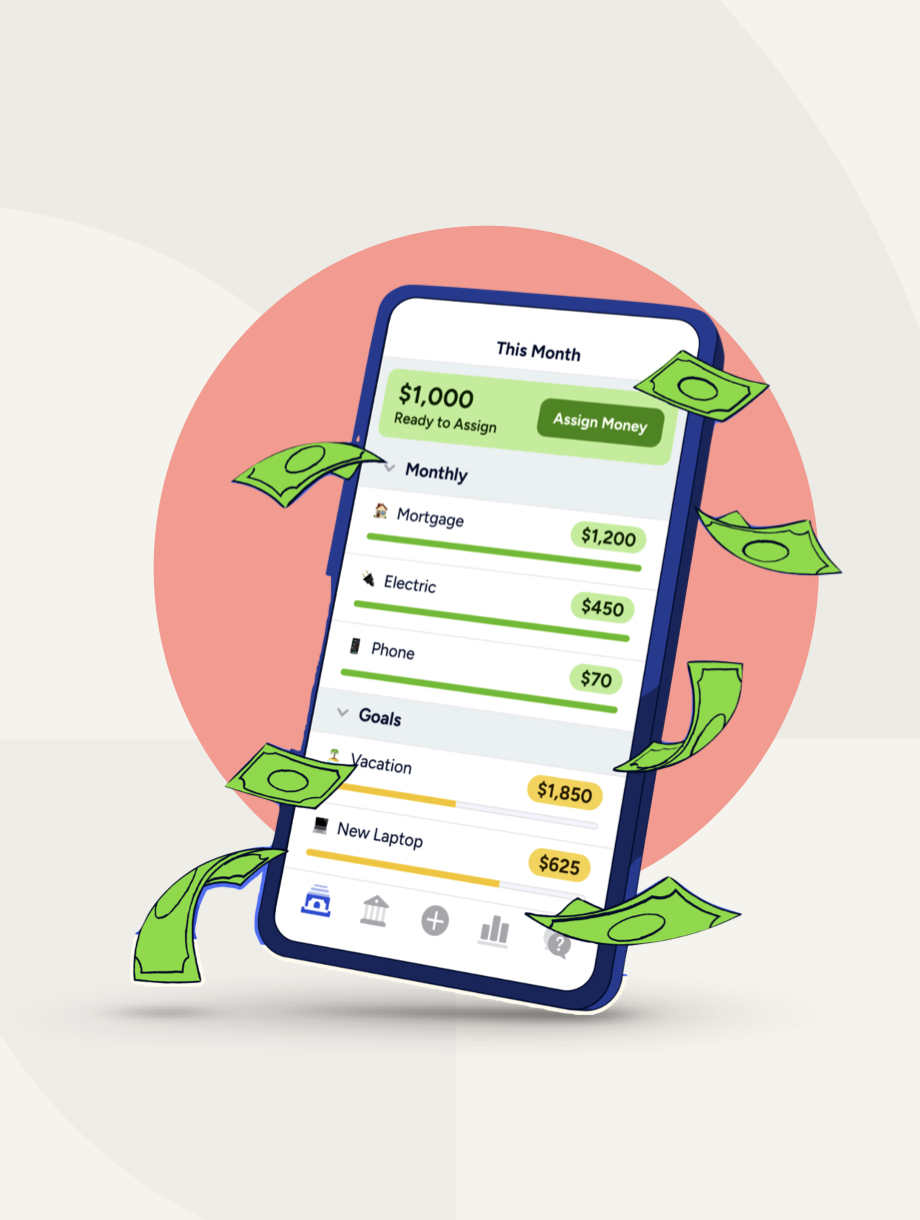
In the fast-paced, digital world of today, budgeting apps such as YNAB (You Need a Budget) have emerged as great tools. YNAB's foundational philosophy is centered around the innovative concept of giving every dollar a specific role, which entails planning for unforeseen events and striving to escape the often stressful paycheck-to-paycheck lifestyle.
By adopting these tools, you can greatly simplify the complexities of budgeting. This, in turn, makes navigating the financial landscape much easier, thereby helping users to more effectively reach their financial objectives, whether that's saving for retirement, preparing for emergencies, or funding a dream vacation. Utilizing such apps can provide a clearer path towards financial stability and success.
Real-Life Success Story: Emily's Journey
Emily's journey is a powerful tale of financial liberation. Once burdened by a growing mountain of debt and a lifestyle that far exceeded her means, Emily found herself at a crossroads. Faced with the daunting task of turning her financial situation around, she made a decisive choice to take control of her finances. By adopting a meticulous approach to budgeting and embracing the principles of YNAB (You Need A Budget), Emily embarked on a disciplined path toward financial freedom.
She meticulously tracked every expense, cut unnecessary spending, and focused on paying off her debts one step at a time. Her dedication and commitment paid off remarkably. Within the span of just one year, Emily not only cleared her debt completely but also succeeded in building a robust emergency fund, safeguarding her future against unforeseen expenses. Emily's story is more than just an account of debt elimination; it is a testament to the transformative power of a well-executed budget and the enduring impact of financial discipline.
Following Expert Guidance
“Budgeting has only one rule: Don’t go over budget.”
- Leslie Tayne
This simple yet powerful piece of advice captures the very essence of effective financial management. It emphasizes the importance of strict adherence to your budget, regardless of the circumstances or temptations you might face. By sticking to your budget, you ensure that your financial goals and plans remain on track, laying a solid foundation for financial stability and success. Seek out expert advice and guidance, whether from a financial professional, budgeting apps, or books like this one, to further enhance your budgeting skills.
The Ripple Effect of Budgeting
Budgeting is a powerful tool that not only significantly improves your financial health but also elevates your overall life satisfaction to new heights. By giving you a clear understanding of your financial inflows and outflows, budgeting effectively reduces financial stress, which is a common source of worry for many.
Furthermore, it plays a crucial role in mending and improving relationships strained by financial disputes, fostering a more harmonious home environment. Most importantly, budgeting acts as a bridge to your dreams, enabling you to set and achieve realistic financial goals that bring you closer to realizing your aspirations, whether it's buying a new home, traveling the world, or securing a comfortable retirement.
Your Financial Freedom Awaits
Remember, the essence of budgeting is not about putting unnecessary constraints on your lifestyle; rather, it's about seizing control and making well-informed decisions that set the stage for achieving financial independence. The key is to start with small, manageable steps, and remain consistent in your efforts. Over time, these small steps will lead to significant changes in your financial landscape, allowing you to witness a transformation that can secure your future.
To embark on this journey, the first actionable step is to gain a solid understanding of your current financial situation. This involves closely examining your income and expenses to identify where your money is going each month. Following this, you can move forward with establishing a budget that suits your needs and goals. This doesn't have to be a complex process; a simple spreadsheet or utilizing a budgeting app like YNAB (You Need A Budget) can be incredibly effective tools. What's most important is that you take that initial step.
Let the stories of people like Jordan and Emily, along with countless others who have successfully navigated their way to financial freedom, serve as your inspiration. These stories underscore that, regardless of your starting point, the journey to financial well-being is possible with determination and the right approach.
Your journey toward financial freedom officially begins with this very first step. It's imperative not to postpone taking action in anticipation of a "perfect" moment. The reality is, the perfect time is now. By deciding to take control of your finances today, you're setting yourself up for a future filled with more security, peace of mind, and gratitude from your future self. Start now, and let each step forward be a building block toward your goal of financial independence.
Knowledge is Only the First Step

Information on personal finance is abundant everywhere you look. From detailed guides on budgeting and investing to advice on debt management and retirement planning, the resources available to enhance financial literacy are virtually limitless. Yet, despite the widespread availability of this valuable information, many individuals struggle to achieve financial stability. This paradox underscores a fundamental truth: financial literacy is crucial, but it is only effective when coupled with a plan and action.
The Importance of Financial Literacy
Financial literacy refers to the understanding of various financial areas including managing personal finance, money and investing. It empowers individuals to make informed decisions about their money, from everyday choices about spending and saving to long-term decisions about investment and retirement. The advantages of financial literacy are clear: it enables better budget management, reduces financial stress, and increases the likelihood of achieving financial stability.
Knowledge Alone Is Not Enough
While gaining financial knowledge is a critical step towards financial empowerment, it is not sufficient by itself. Knowledge must be transformed into action. Without application, the most sophisticated financial strategies and principles remain theoretical and fail to impact an individual's financial health.
The Gap Between Knowledge and Action
Several factors contribute to the gap between acquiring financial knowledge and implementing it:
- Procrastination: Many people put off financial planning and investment due to fear, uncertainty, or the belief that it can always be handled later.
- Overwhelm: The vast array of financial instruments and strategies can be daunting, causing paralysis rather than action.
- Lack of Specific Goals: Without specific financial goals, it is challenging to apply general knowledge in a meaningful way.
- Behavioral Barriers: Emotional spending, lack of discipline, and other behavioral factors often impede the practical application of financial knowledge.
Bridging the Gap: Turning Knowledge into Action
The key to bridging the gap between knowledge and action in financial literacy lies in targeted, manageable steps:
- Start with a Plan: Begin by outlining clear, achievable financial goals. Whether it's saving for a down payment, investing in companies, or paying off debt, specific goals provide a tangible target to work towards.
- Implement Budgeting: Use budgeting tools to keep track of spending and manage finances efficiently. A budget creates a framework for decision-making and helps enforce discipline.
- Automate Finances: Automating savings and investments can help overcome procrastination and ensure consistent financial growth.
- Seek Accountability: Sharing goals with a partner or financial professional can increase accountability and encourage adherence to financial plans.
- Educate Continuously: Stay updated with financial news and continue educating yourself about financial products and strategies. Ongoing education helps refine strategies and adapt to changing financial landscapes.
Working with a Financial Professional: An Easy First Step
For many, figuring where to start can be overwhelming, especially when it comes to applying the knowledge they’ve gained. In such cases, consulting a financial professional can be an excellent first step towards turning knowledge into action. Working with an expert offers several benefits and can significantly simplify the process of financial management.
Benefits of Consulting a Financial Professional
- Personalized Advice: Financial professionals can provide tailored advice based on your unique financial situation, goals, and risk tolerance. This personalized approach helps in crafting strategies that are more likely to succeed because they are designed specifically for you.
- Complexity Simplified: They are adept at breaking down complex financial concepts and products into understandable terms. This can be particularly helpful for those who find the world of finance daunting or are new to financial planning.
- Accountability: Regular meetings with a financial professional ensure that you stay on track with your financial goals. They serve as a constant reminder of your financial commitments and help maintain your focus on long-term objectives.
- Access to Resources: Financial professionals often have access to tools and resources that may not be readily available to the general public. This can include advanced market research, financial planning software, and wider range of investment vehicles.
- Emotional Detachment: One of the biggest challenges in financial decision-making is emotional bias. Financial professionals offer an objective perspective, making it easier to make decisions based on sound financial reasoning rather than emotions like fear or greed.
Getting Started
Financial literacy is a powerful tool, but its true value is realized only when translated into action. By bridging the gap between knowledge and practical application, individuals can not only enhance their own financial wellbeing but also contribute to the overall economic health of society. As the adage goes, "A journey of a thousand miles begins with a single step." In financial literacy, that step is moving from knowledge to action.